
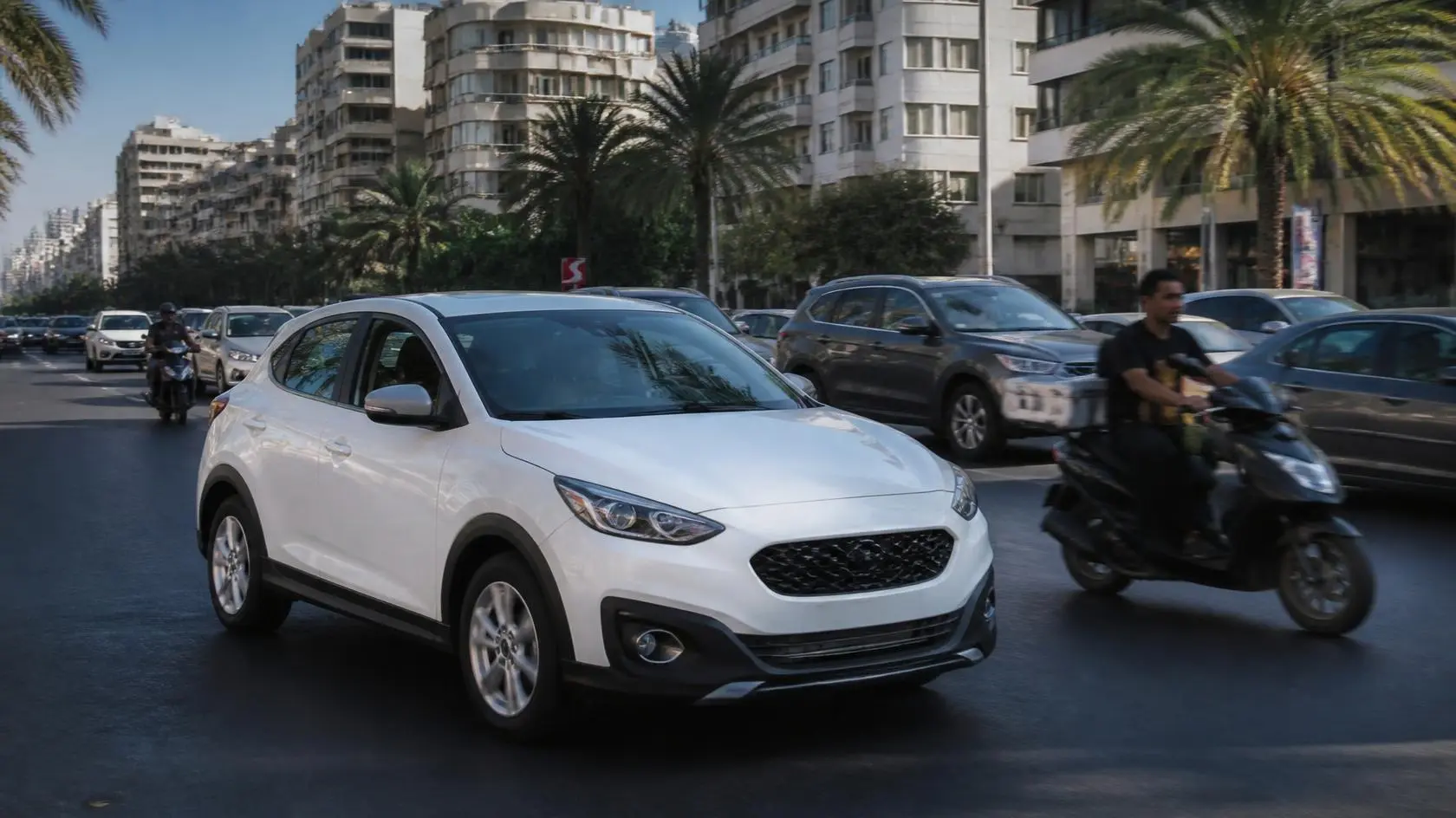
Driving in Beirut can feel intense the first time, but it’s very manageable once you know what to expect. Before you rent a car in Lebanon, this guide covers the basic driving rules, the unwritten etiquette, and the parking habits that make the difference between a stressful drive and a smooth one. For city streets, a small car is usually the easiest choice, while a medium car suits longer drives. Still need to sort your paperwork? See what you need to rent a car in Lebanon.
Driving Rules in Lebanon:
- Traffic drives on the right-hand side of the road
- Wear your seat belt and make sure your passengers wear theirs
- Avoid using your phone while driving, and set your GPS before you pull out
- Follow the posted speed limits and road signs, which can change quickly between city streets and highways
- Never drive after drinking alcohol
- Keep your driver’s license, ID or passport copy, and rental papers inside the car
What Driving in Beirut Is Really Like
Beirut’s roads are busy, compact, and fast-moving. Lanes are followed less strictly than you may be used to, motorbikes weave through gaps, and service taxis and buses can stop suddenly to pick up passengers. Horns are used often, usually as a quick “I’m here” rather than a sign of aggression. None of this is dangerous if you stay alert, keep your distance, and drive predictably.
Beirut Traffic Etiquette: The Unwritten Rules
- Keep extra distance, because sudden stops are common
- Signal early and merge steadily instead of hesitating
- Check your mirrors for motorbikes before changing lanes or turning
- Stay calm if someone honks, and don’t take it personally
- Give pedestrians room, especially near crossings and busy shopping streets
Best Times to Drive in Beirut
Traffic builds up during the morning commute and again in the late afternoon and early evening, and roads leaving the city can be packed before weekends and holidays. If you’re heading to an appointment or a flight, leave earlier than you think you need to. Driving mid-morning or later in the evening is usually far calmer, especially on your first day behind the wheel.
Parking in Beirut as a Renter
Parking is often the biggest challenge in the city. Many restaurants and venues offer valet parking, and some streets have paid parking, so read the signs before you leave the car. Never block driveways or double-park, and don’t leave bags or valuables visible inside the vehicle. A smaller car makes tight spots far easier.
Fines and Violations When You Rent a Car in Lebanon
Traffic and parking fines issued during your rental remain the renter’s responsibility, so drive and park carefully. For a full breakdown of what is and isn’t covered, read our guide to car rental insurance in Lebanon.
Tips for Driving in Beirut as a First-Time Renter
- Choose a smaller car if you’ll mostly stay in the city
- Set your route in a GPS app before you start driving
- Avoid rush hour on your first day while you get comfortable
- Fill up the tank before long trips out of the city
- Save the Lerecom number so help is one call away, 24/7
Frequently Asked Questions
Which side of the road do you drive on in Lebanon?
Traffic in Lebanon drives on the right-hand side of the road.
Is driving in Beirut difficult for tourists?
Beirut traffic is busy and fast-moving, but it is manageable. Choose a smaller car, set your GPS before you start, avoid rush hour at first, and keep extra distance from the car ahead.
What documents should I keep in the car while driving in Lebanon?
Keep your driver’s license, your ID or a copy of your passport, and your rental papers inside the car at all times.
Who pays traffic or parking fines on a rental car?
Fines issued during your rental remain the renter’s responsibility, so follow the posted rules and park carefully.
Rent a Car in Beirut with Lerecom
Ready to explore with confidence? Pick the right car for your trip and our team will help with anything you need along the way, 24/7.
Contact Lerecom with your questions, or reserve your car now.